

InUnity Alliance’s Mission
InUnity Alliance’s mission is to improve care equity, quality, accessibility, and outcomes for New Yorkers who need substance use disorder and mental health services by advocating for, informing, and supporting community substance use disorder and mental health care providers, their workforce, and integration into systems of care.
Advocacy Tools
InUnity Alliance board members participated in legislative visits on March 4, 2025 to educate lawmakers about the importance of addiction and mental health services.
Our advocacy was focused on the 7.8% inflationary increase, the inclusion of our services in MCO tax reinvestments (which only included other health services), and ensuring there is an increased focus on SUD services.
InUnity Alliance is sharing our priorities through summaries highlighting our:
Upcoming Events/Online Trainings
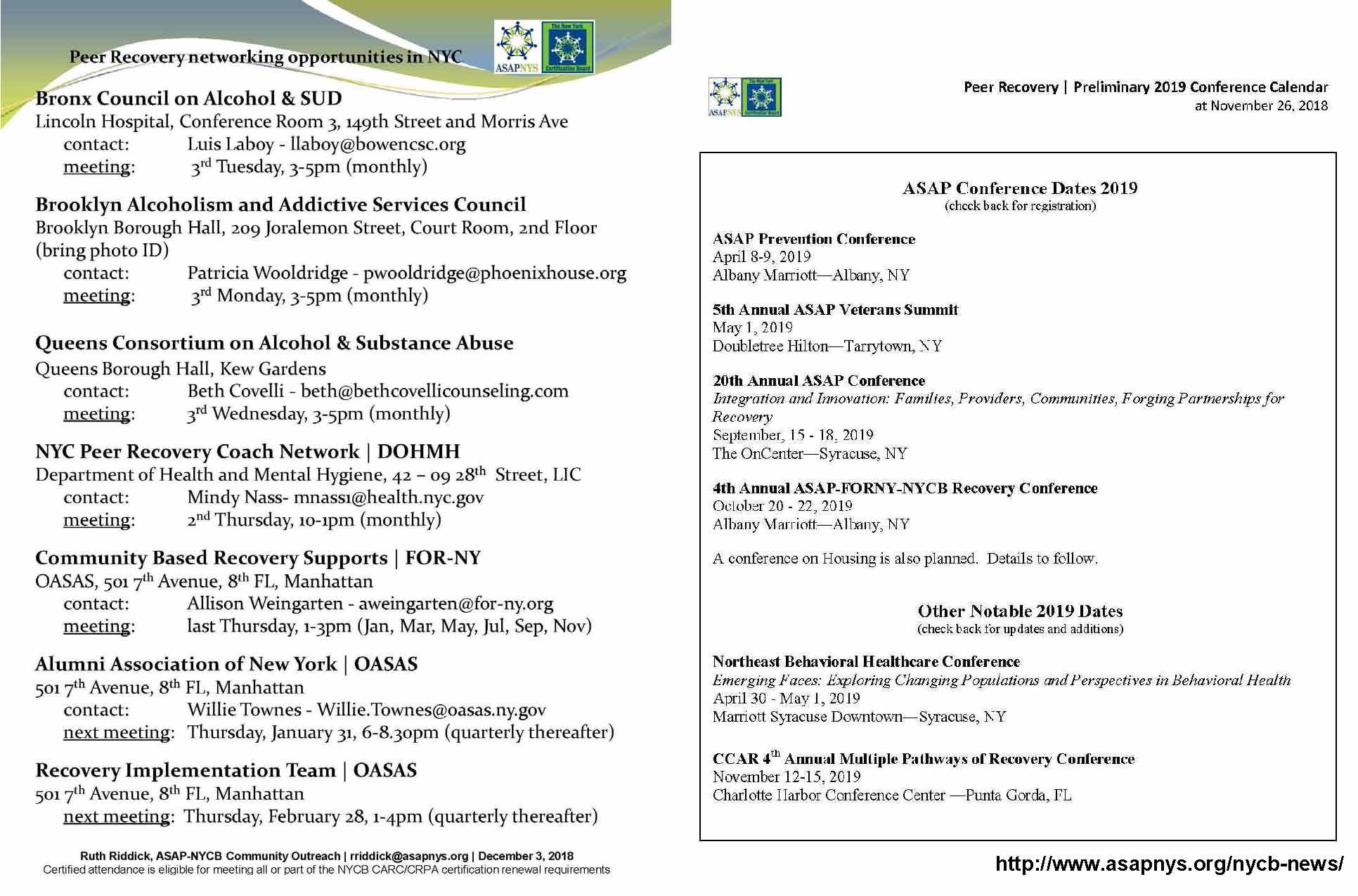
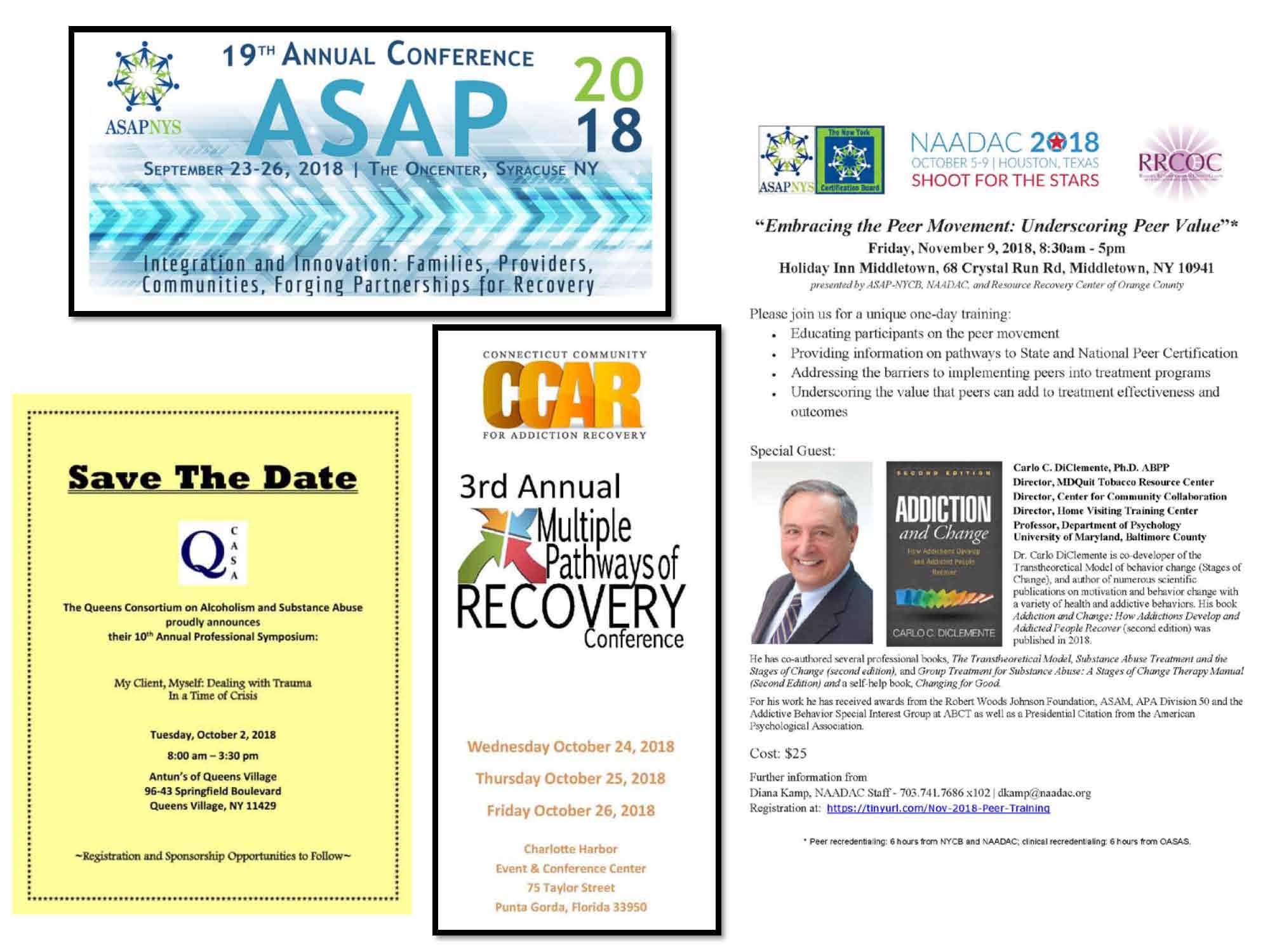
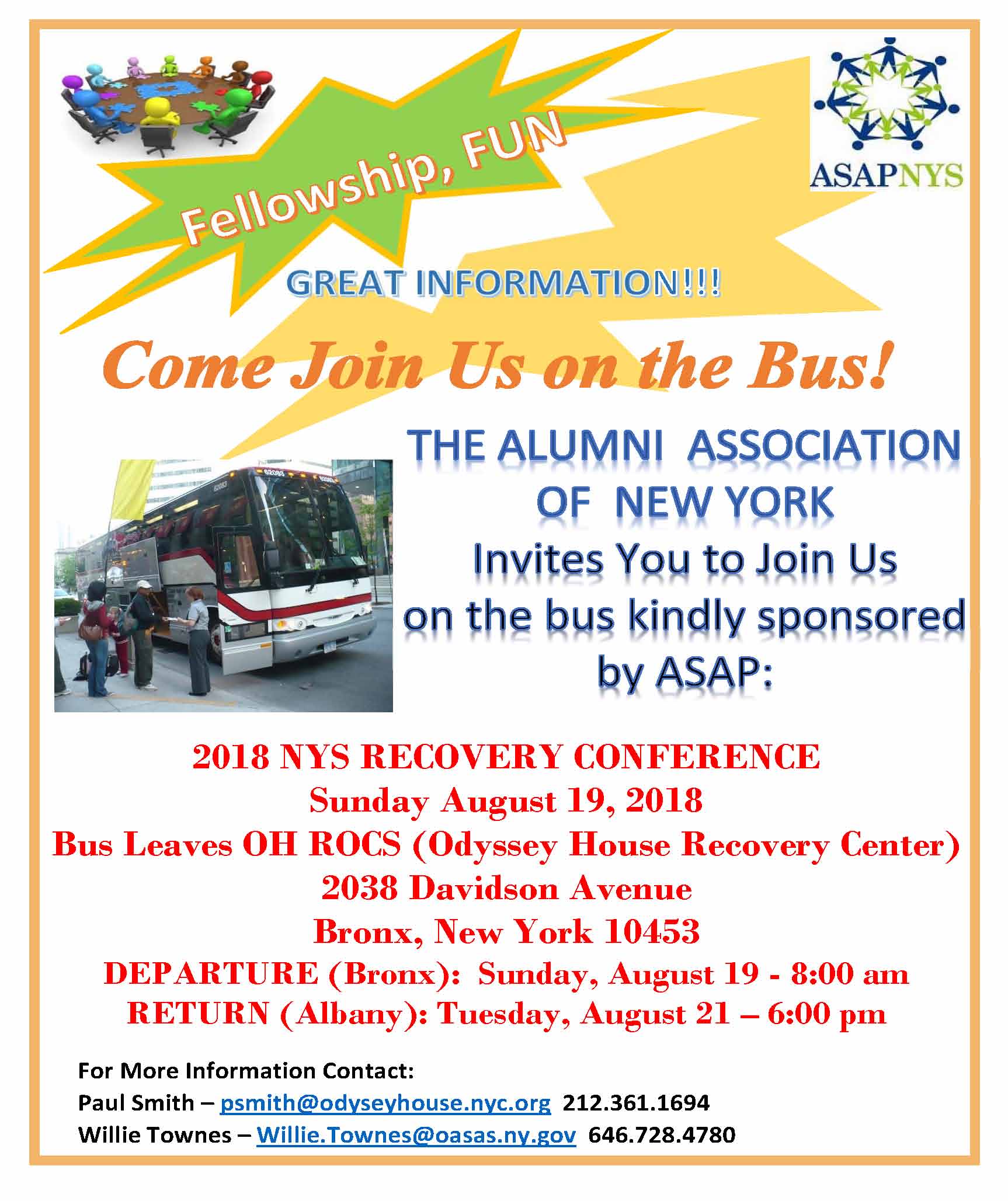
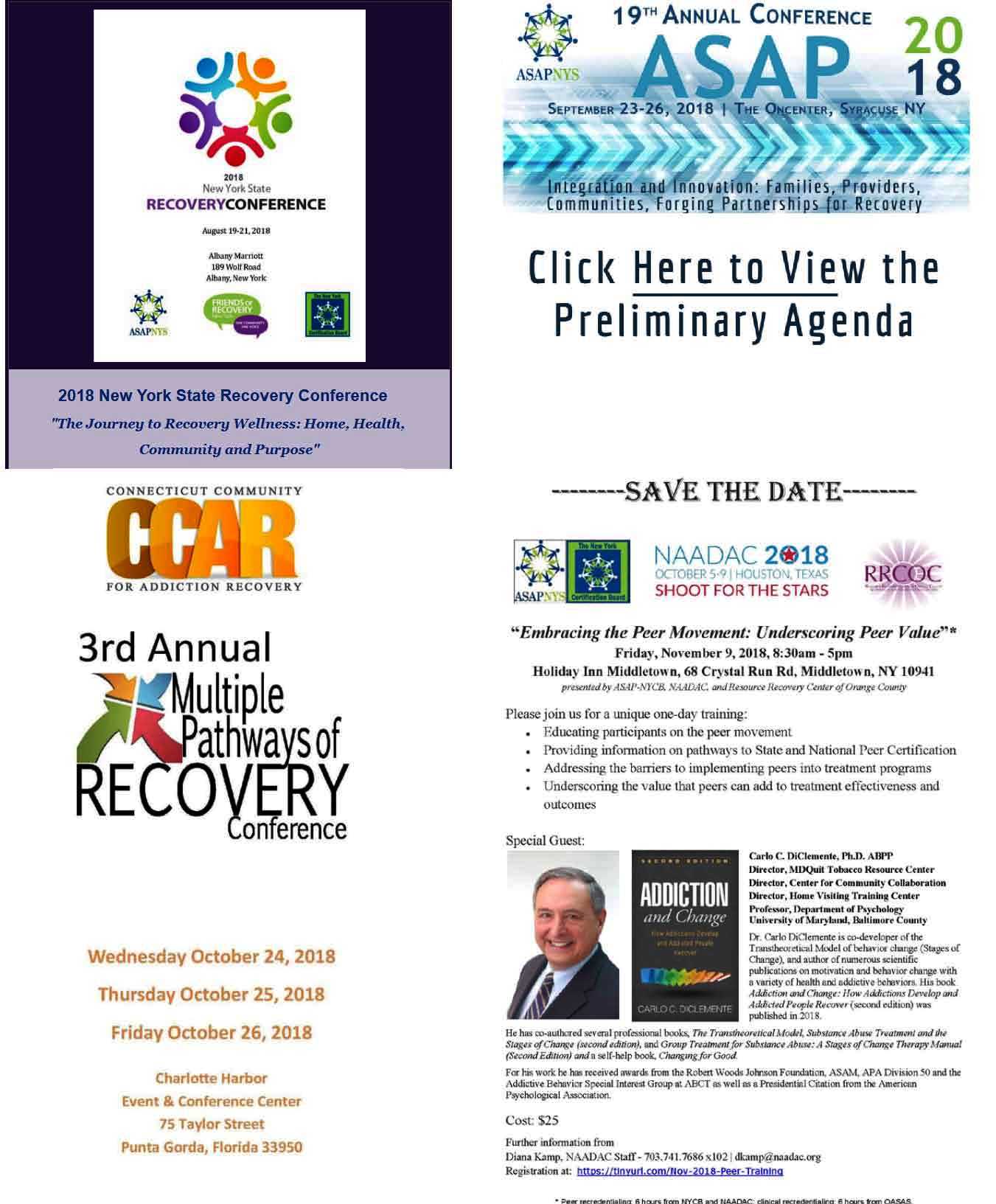
Mid-Year Virtual Summit – June 12, 2025
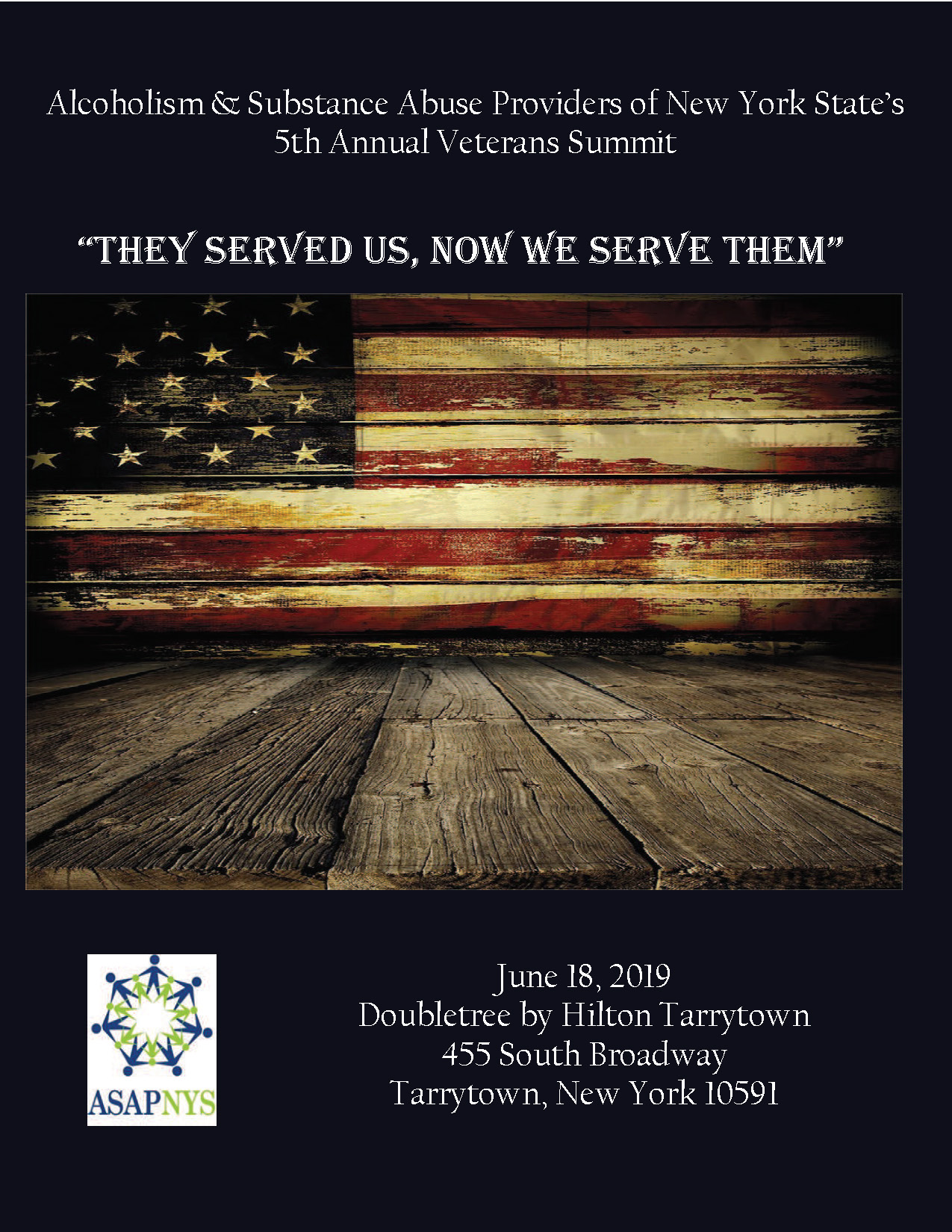
Annual In-Person Summit – November 5, 2025 (Sleepy Hollow Hotel, 455 S Broadway, Tarrytown, New York 10591)
2nd Annual Conference “Opening Doors: Uniting to Strengthen our Foundation of Care”
534 Broadway
Saratoga Springs, New York 12866
____________________________
The link below contains online and teleconference AA meetings that have been setup by groups with the HMB Area 48.
https://aahmbny.org/area-48-online-meetings/
Left-click on Group name, then press the space bar to open the group page and find the time of the meeting.